

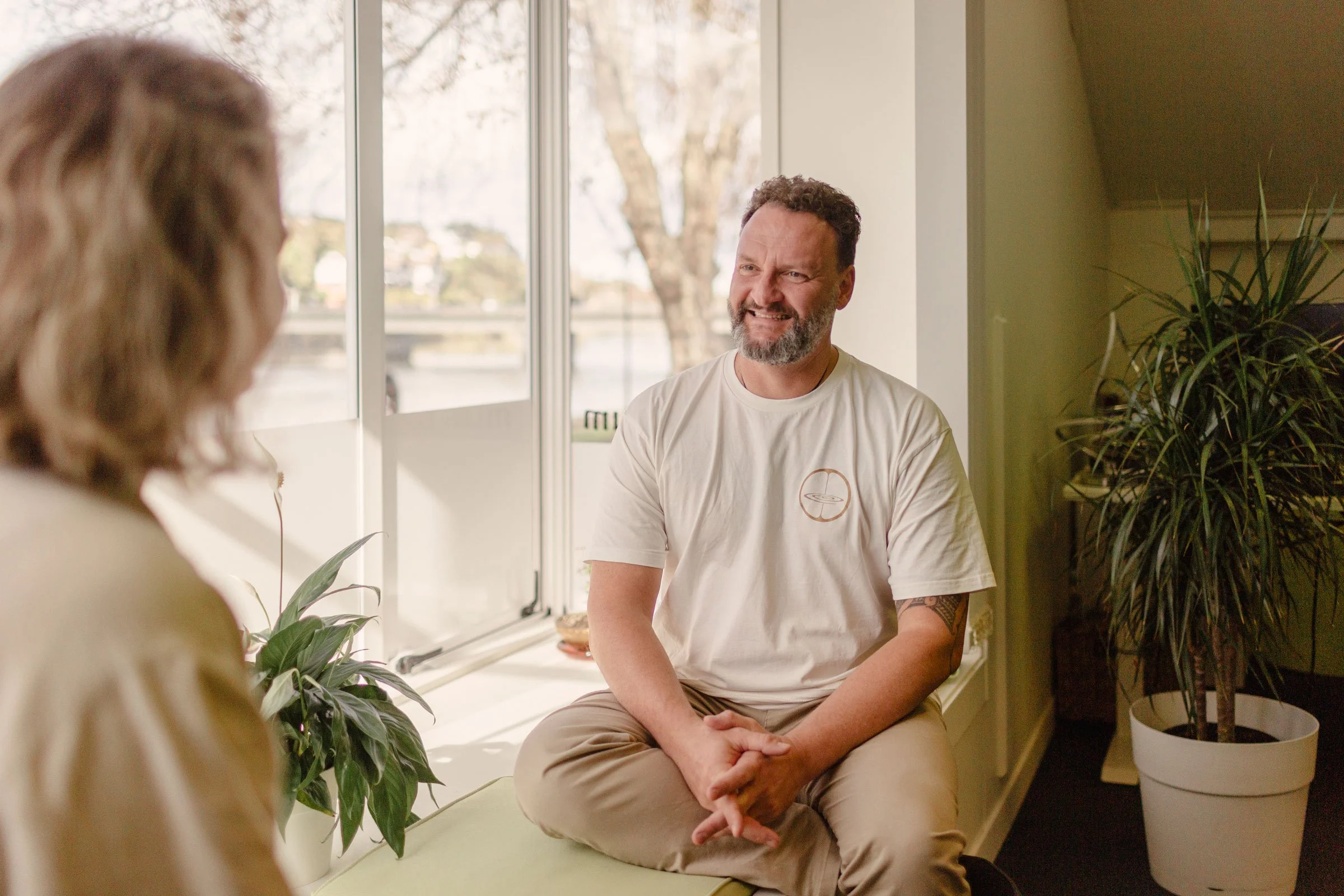
Craniosacral Therapy & Romiromi – A Comparison with Massage Therapy and Physiotherapy
When dealing with pain, tension, or stress, many people rely on commonly known treatments such as massage therapy or physiotherapy.
However, not all issues are purely structural or muscular — and not all treatments address how the body responds to stress, overload, or long-term patterns of tension.
Other approaches such as Craniosacral Therapy and Romiromi can be particularly helpful when addressing pain and stress at a deeper level, beyond the physical symptoms.
We know it can be hard to choose a treatment process that's unfamiliar, so this page offers a clear and grounded overview to help you understand how these approaches differ — and which one may support your body most effectively.
Understanding different approaches
Massage Therapy
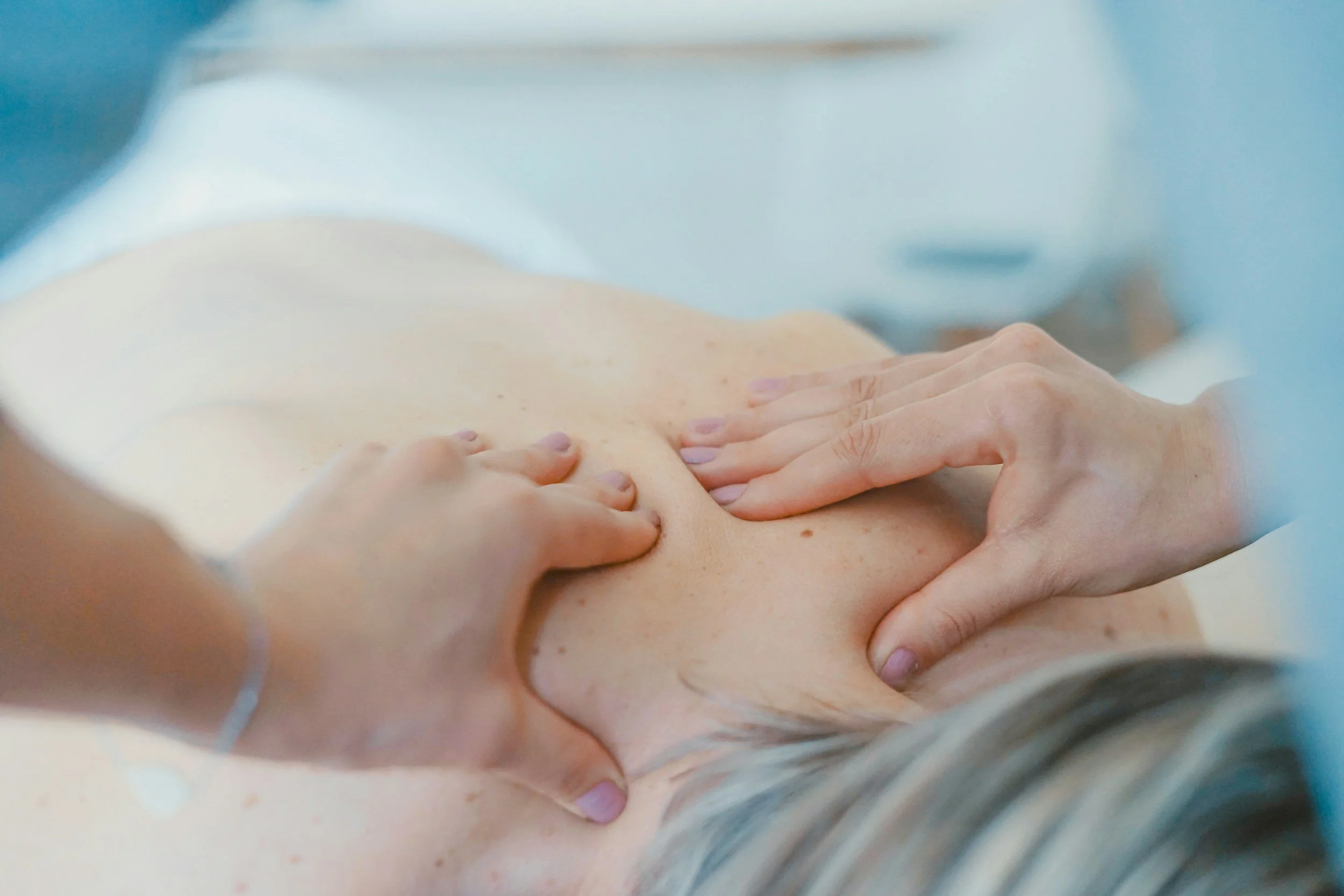
Massage therapy focuses primarily on muscles and soft tissues.
It is commonly used to relieve muscle tightness, reduce physical tension, improve circulation, and support relaxation.
For many people, it provides immediate relief — especially when discomfort is mainly muscular or related to physical strain.
Massage can also support recovery after activity and help reduce stress levels in the short term.
Often helpful for:
Muscle tension, physical strain, relaxation, short-term stress relief, recovery support.
Craniosacral Therapy
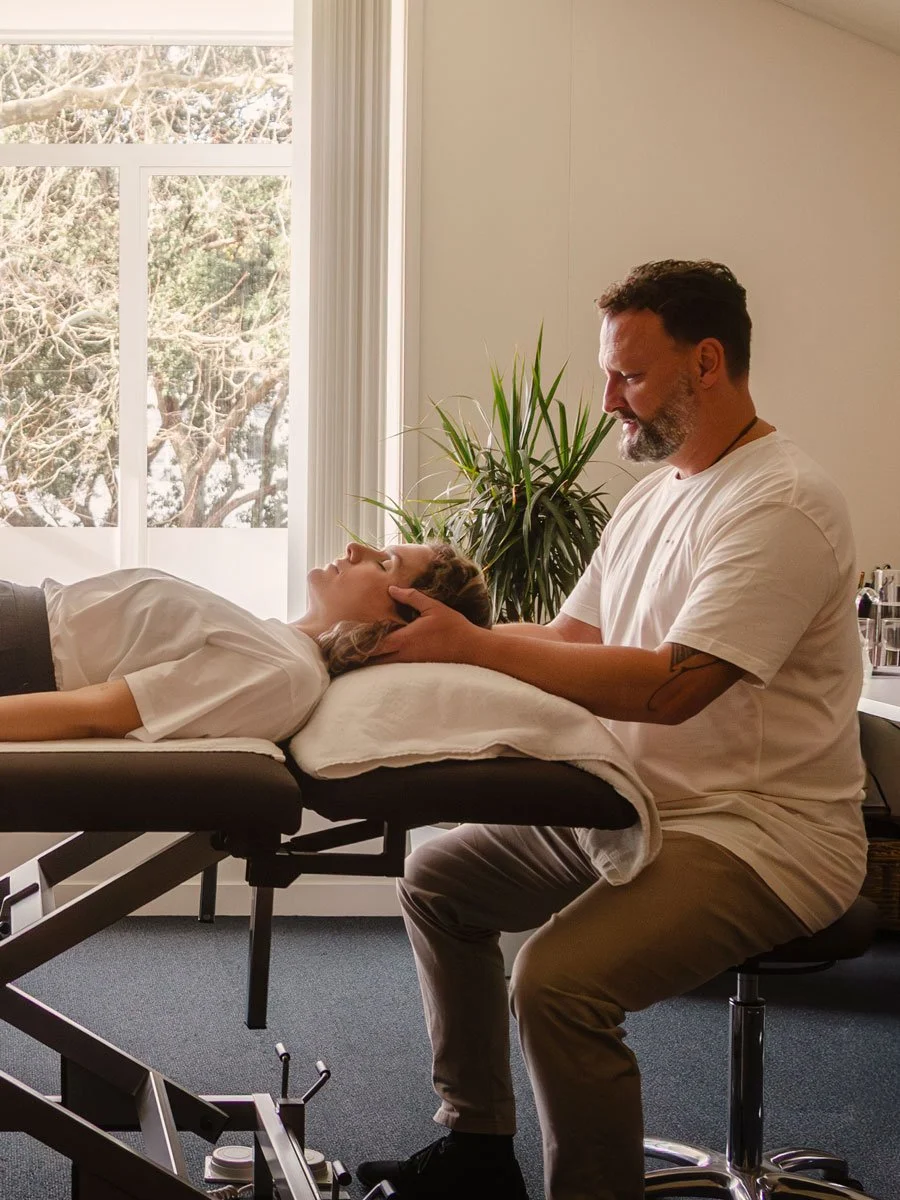
Craniosacral Therapy is a gentle, non-invasive approach that works primarily with the nervous system.
Rather than focusing only on local symptoms, it supports the body in settling, regulating, and releasing patterns of tension that may have developed over time — particularly in response to stress, overload, or long-standing strain.
Many people notice a sense of deep calm, improved internal balance, and gradual, more sustainable changes in how their body feels and functions.
Often helpful for:
Chronic tension, stress-related symptoms, nervous system regulation, long-standing or recurring issues, deep relaxation and recovery.
Physiotherapy
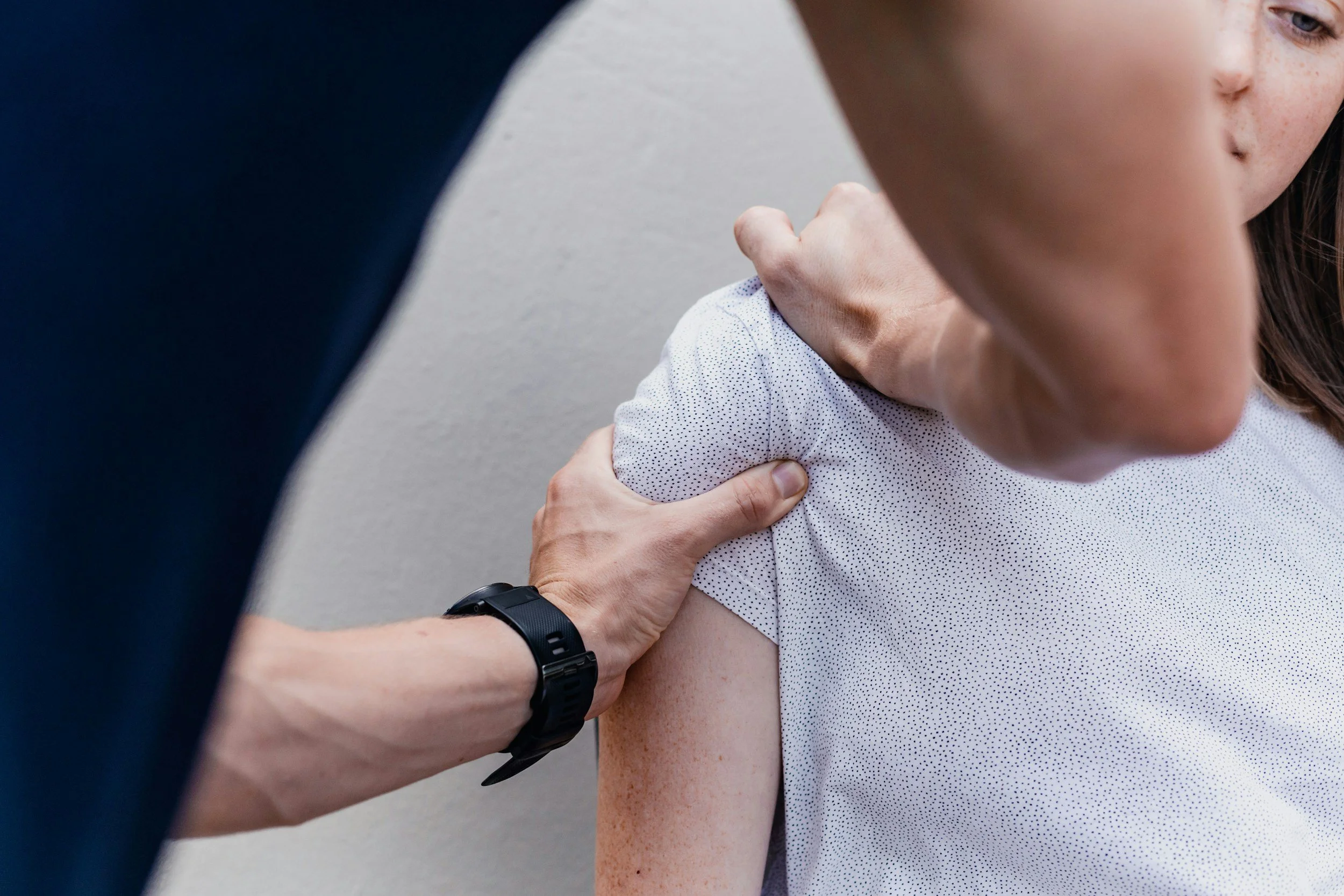
Physiotherapy focuses on restoring movement, function, and physical performance.
It is often used in the treatment of injuries, joint pain, and movement dysfunction, and commonly includes rehabilitation exercises, manual techniques, and posture or movement correction.
This approach is particularly relevant for post-injury recovery, post-surgical rehabilitation, and improving strength and mobility.
Often helpful for:
Injury rehabilitation, joint pain, movement dysfunction, post-surgery recovery, strength and mobility improvement.
Romiromi
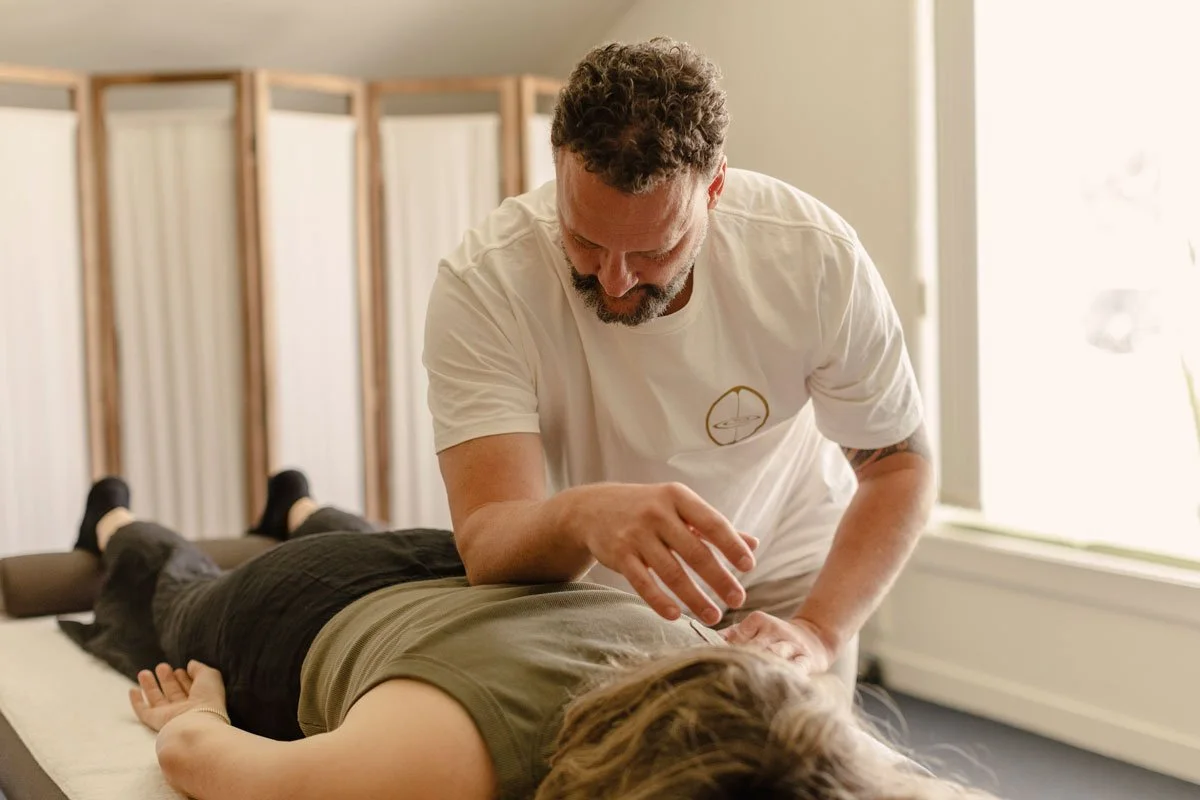
Romiromi is a holistic bodywork approach that engages the body more directly through movement, pressure, and rhythm.
It supports the release of deeper layers of tension and encourages the body to return to a more natural state of balance, mobility, and vitality.
The depth and intensity are always adjusted to what your system can safely process, allowing for a treatment that is both effective and supportive.
Many clients experience a greater sense of physical ease, improved mobility, and a deeper connection to their body.
Often helpful for:
Deeper physical tension, whole-body release, restoring mobility, improving body awareness, supporting overall balance and vitality.
A different perspective on treatment
At Freiraum Therapy, these approaches are not seen as competing methods, but as different ways of supporting the body.
Many people come to us after trying other treatments — especially when symptoms such as back pain, neck tension, headaches, or stress-related issues keep returning.
What often becomes clear is that the issue is not just physical. This is why we take an integrative approach to therapy that supports your whole system — your body, your nervous system, and your ability to regulate stress and emotional responses.
Our integrative approach may be particularly helpful if:
you experience ongoing or recurring pain (e.g. back pain, neck pain, headaches);
stress or overwhelm affect your physical wellbeing;
symptoms return even after treatment;
your body feels tense, restless, or unable to fully relax;
you are looking for a more integrative, long-term approach to health and recovery.
Learn more about our approach and the treatment options available.